
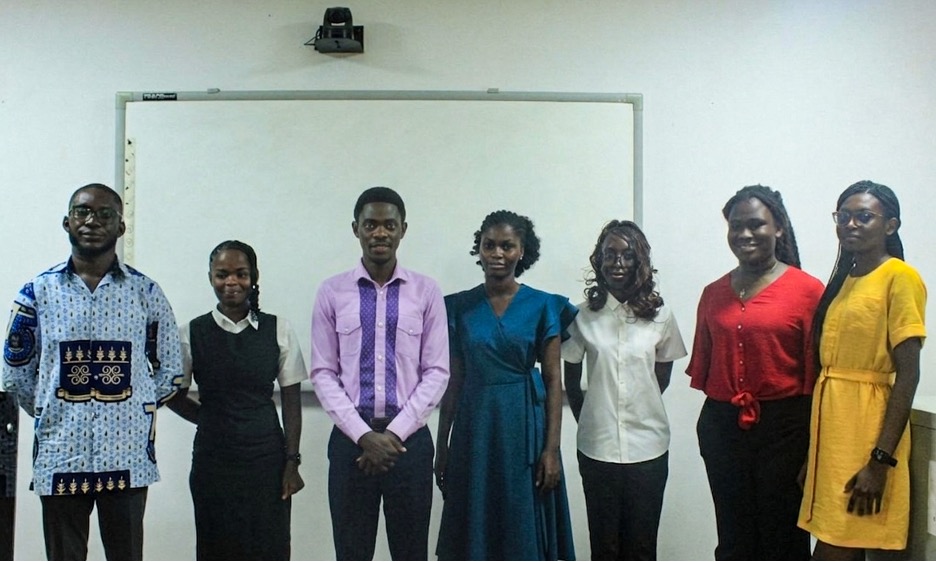
A picture of the elected executives of the UNESCO Club-UG Chapter.
As part of efforts to establish the University of Ghana Chapter of the United Nations Educational, Scientific and Cultural Organization Club (UNESCO Club–UG Chapter), the Legon Centre for Education Research and Policy (LECERP), in collaboration with the Ghana Commission for UNESCO, organized a manifesto reading and election of executives ahead of the official launch of the club.
The exercise generated remarkable interest among the student body, with a total of 18 students applying for the 7 executive positions. The positions contested were President, Vice-President, General Secretary, Organizing Secretary, Programme Coordinator, Welfare Secretary, and Financial Secretary. The level of interest demonstrated by students underscored the enthusiasm and eagerness within the University of Ghana community to be part of this emerging platform for education, culture, and youth development.
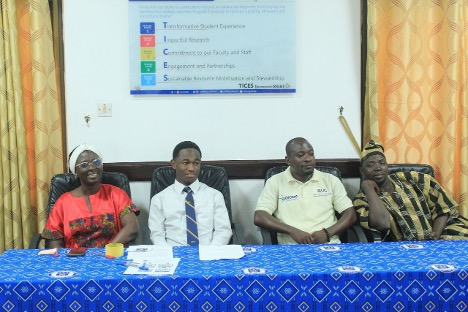
A picture of Members of the vetting panel
Ahead of the elections, all aspirants underwent a rigorous vetting process designed to assess their suitability for leadership within the UNESCO Club. The exercise evaluated candidates on their knowledge of UNESCO, leadership experience, communication skills, readiness to serve with integrity, and the clarity and feasibility of their vision for the club's growth. Following the vetting, two aspirants for President, three for Vice-President, two for General Secretary, two for Organising Secretary, two for Programme Coordinator, and two for Welfare Secretary progressed to the election stage. The vetting process was animated by healthy contestation, as candidates fielded probing questions and made their cases before a discerning audience.
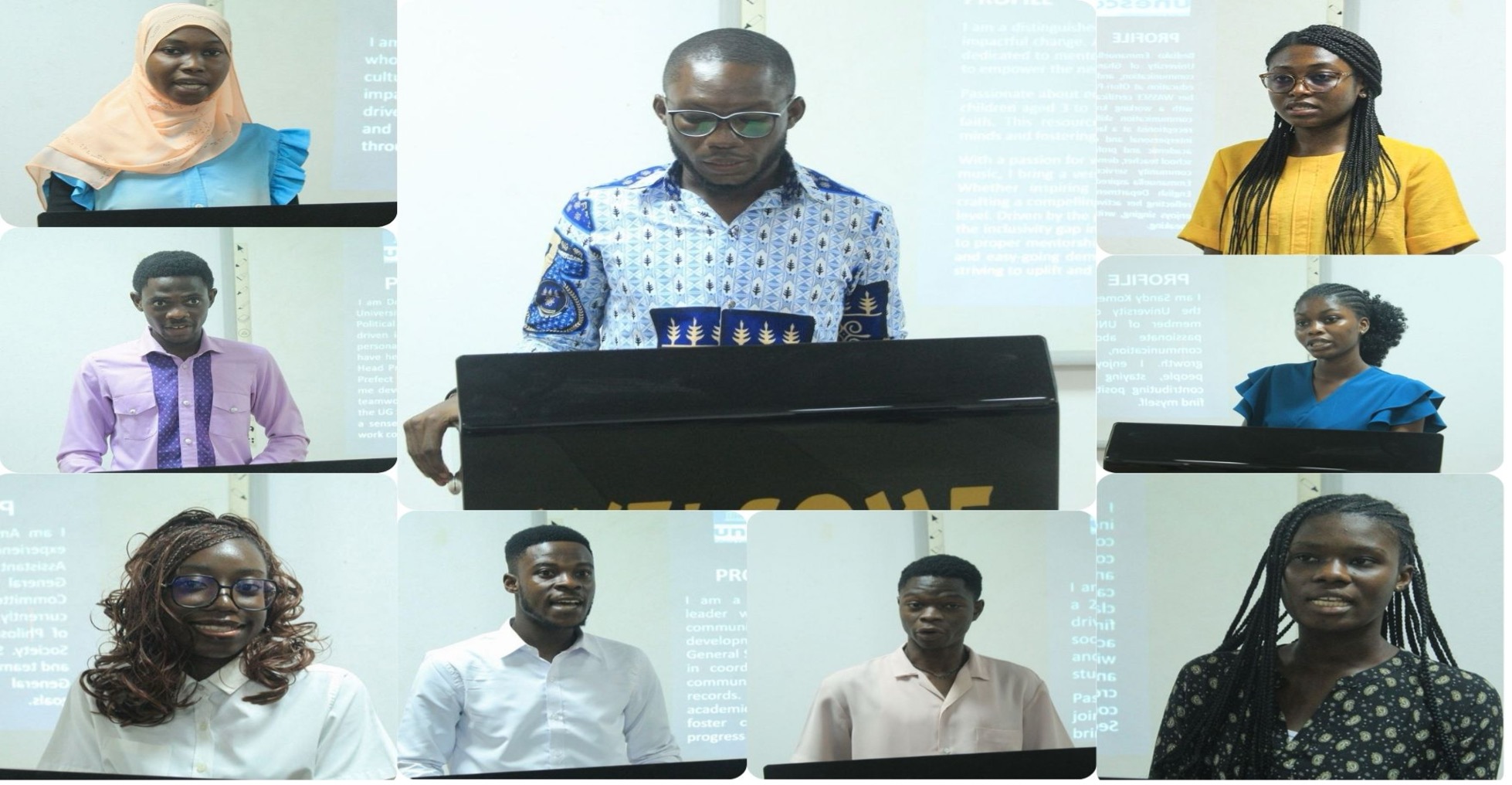 Manifesto reading by some of the aspirants
As part of the electoral activities, the shortlisted candidates participated in a manifesto reading session, where they outlined their ideas, leadership aspirations, and proposed plans for advancing the objectives of the club. The session provided members with the opportunity to engage directly with candidates' visions, and the atmosphere was notably vibrant and competitive, with members asking pointed questions after each presentation.
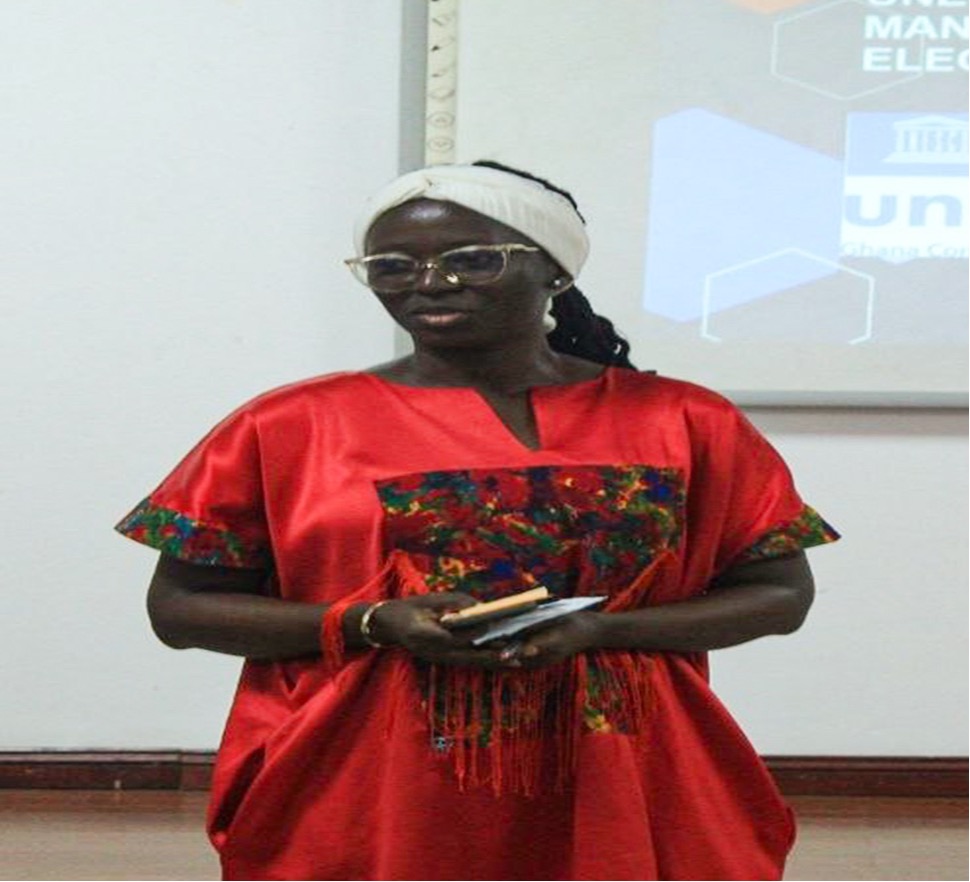
Ms. Justina Addai, Electoral Commissioner for the elections.
The 'Electoral Commissioner' for the event, Ms. Justina Addai, a Principal Research Assistant at LECERP, managed the process, outlining voting guidelines, expectations for aspirants, and the time allocated for manifesto presentations, while ensuring an interactive atmosphere by allowing questions after each presentation.
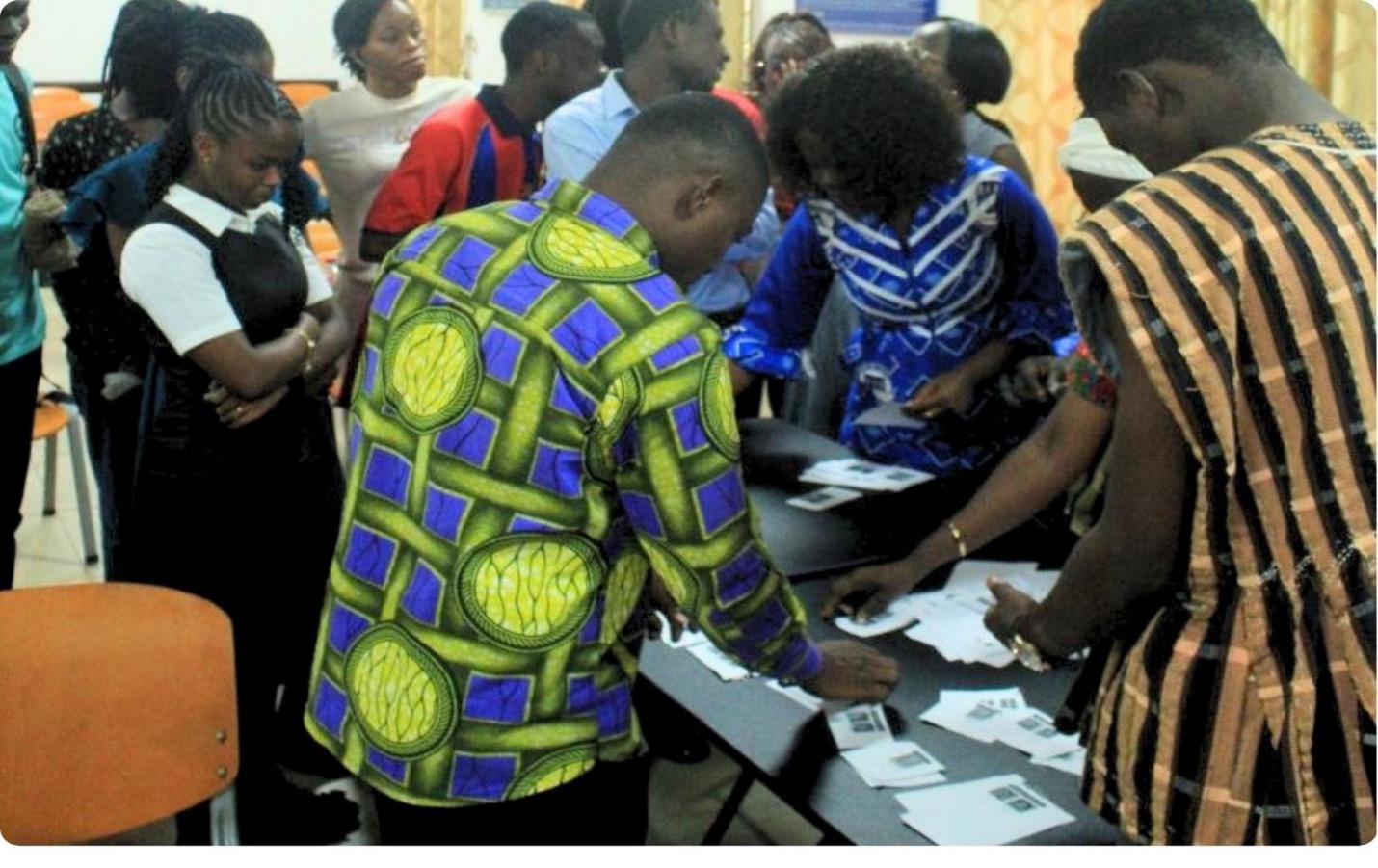
Counting of ballot papers after the elections.
The elections subsequently took place through a well-organised and transparent voting process, reflecting the club's commitment to fairness, credibility, and democratic participation. At the close of voting, Ms. Addai supervised the sorting and counting of ballots in the presence of aspirants and club members, a process that further strengthened the transparency and credibility of the exercise. Following the counting, results were officially declared.
Mr. Emmanuel Johnson Egyire emerged as President, securing 74.60% of the total votes cast. Ms. Sandra Duut was elected Vice-President with 49.21% of the votes, while Ms. Sandra Komesuor won the position of General Secretary with 65.08%. For the role of Organizing Secretary, Ms. Elsie Asantewaa Amoah secured victory with 69.84% of the votes cast. Ms. Rhodelyn Enam Ama Hetakah was elected Programme Coordinator with 73.02%, and Ms. Emmanuella Akotey Mamley Bediako emerged as Welfare Secretary after obtaining 53.97% of the votes.
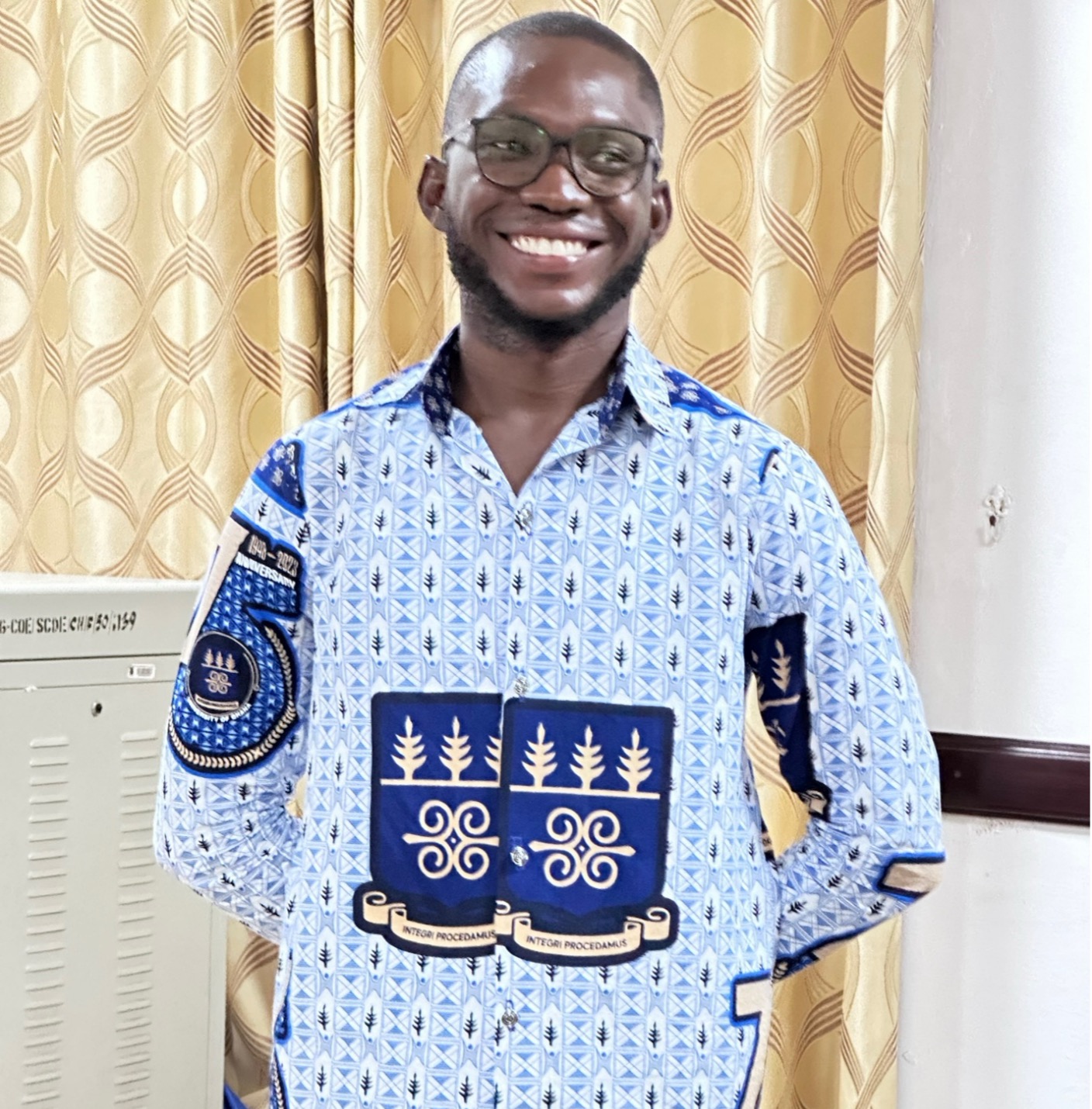
Mr. Emmanuel Johnson Egyire, President Elect of the club.
Following the declaration of results, the newly elected President, Mr. Emmanuel Johnson Egyire, expressed gratitude to LECERP and the Ghana Commission for UNESCO for spearheading the initiative. He also thanked members of the student body for the confidence reposed in him and the newly elected executives. Mr. Egyire assured members of the team's commitment to serving with dedication, integrity, and a shared vision for the growth of the club, describing the UNESCO Club as more than just an organisation, but a family and a movement committed to promoting student development, leadership, and active engagement within the University of Ghana community.
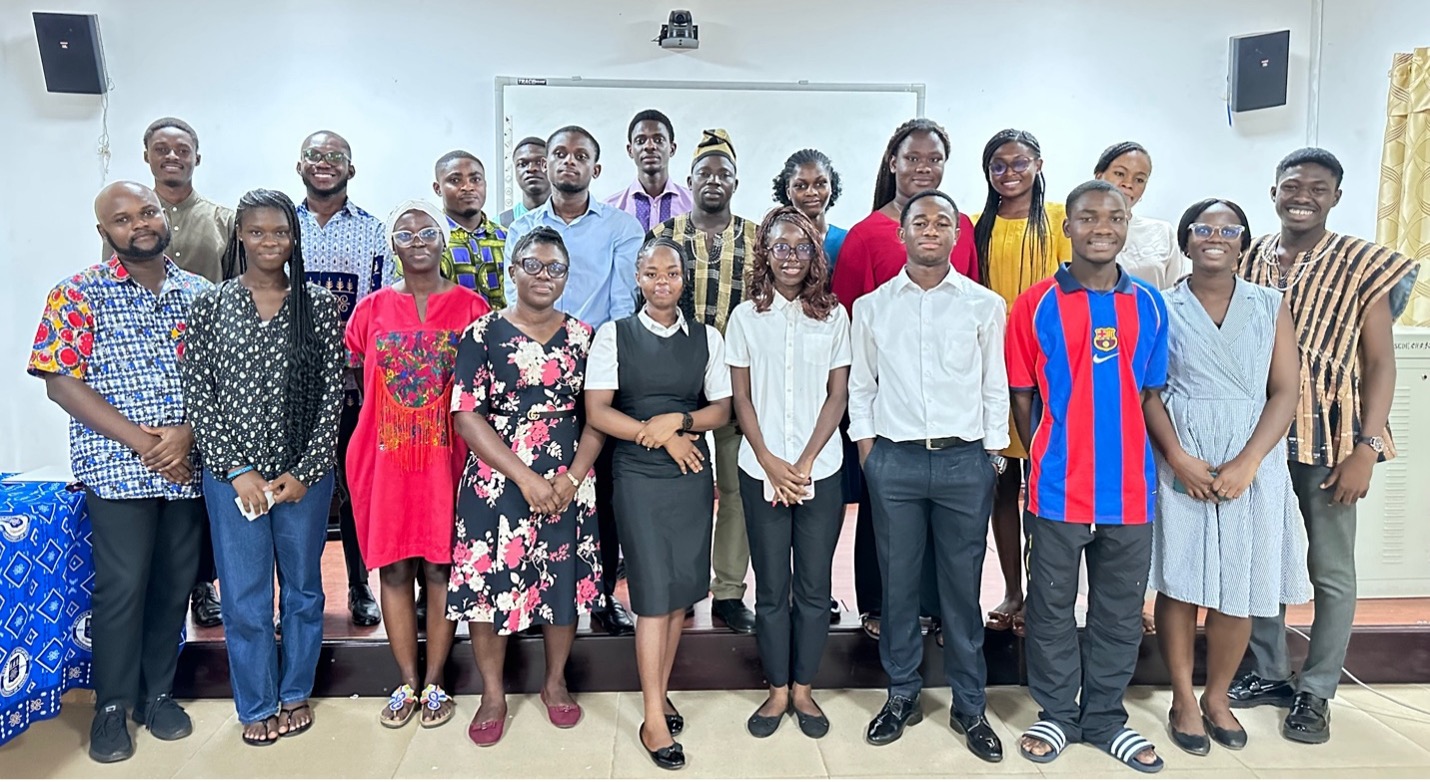
LECERP electoral team with elected executives and members of the club.
Following the elections, staff of LECERP took turns to admonish and encourage the elected executives to approach their offices with diligence and a sense of purpose. Dr. Innocent Agbelie, a Research Fellow at LECERP, encouraged students to actively engage in initiatives such as these, emphasising that doing so creates pathways to diverse academic and capacity-building opportunities.
Mr. John-Baptiste Akanwake, a Principal Research Assistant at LECERP, commended the aspirants for their courage, commitment, and readiness to assume leadership responsibilities. He encouraged the executives to embrace leadership as an avenue for purposeful service, integrity, and dedication to the collective growth of the organisation, while reaffirming UNESCO's mission of advancing education, culture, and sustainable development, and highlighting the wide range of opportunities the club offers students to develop their leadership potential, expand their networks, and make meaningful contributions to society.
Dr. Freda Osei-Sefa, Research Fellow, also commended all aspirants for their courage and active participation throughout the electoral process. She urged the newly elected executives to promote inclusivity and collaboration, stressing the importance of working collectively with all members to maximise the club's impact.
The entire process, from the vetting of aspirants to the conduct of the elections, was supervised by Dr. Martin Wiredu Agyekum, Research Fellow at LECERP, who coordinated the various activities to ensure a smooth and credible exercise. Appreciation was also extended to Dr. Joyce Anku, an affiliate of the Centre, for serving as the liaison officer between LECERP and the Ghana Commission for UNESCO, and for her invaluable support throughout the organisation of the programme.