
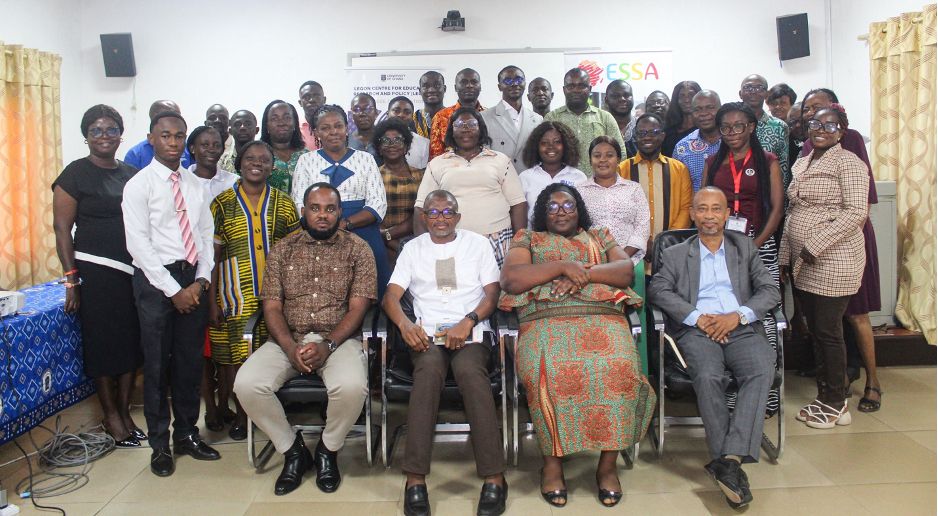
The Legon Centre for Education Research and Policy (LECERP) at the University of Ghana has hosted a Joint Research Dissemination Forum to share research evidence by awardees of the Foundational Learning project funded by Education Sub Saharan Africa (ESSA) and the Research for Equitable Access and Learning (REAL) Centre.
The forum brought together researchers, policymakers, education practitioners and stakeholders from institutions including the Ministry of Education, Ghana Education Service, public and private universities and special education units. The studies presented focused on critical issues affecting foundational learning, including language and multilingualism, early-grade reading, dyslexia and inclusive education, and the design and implementation of Ghana’s Standards-Based Curriculum.
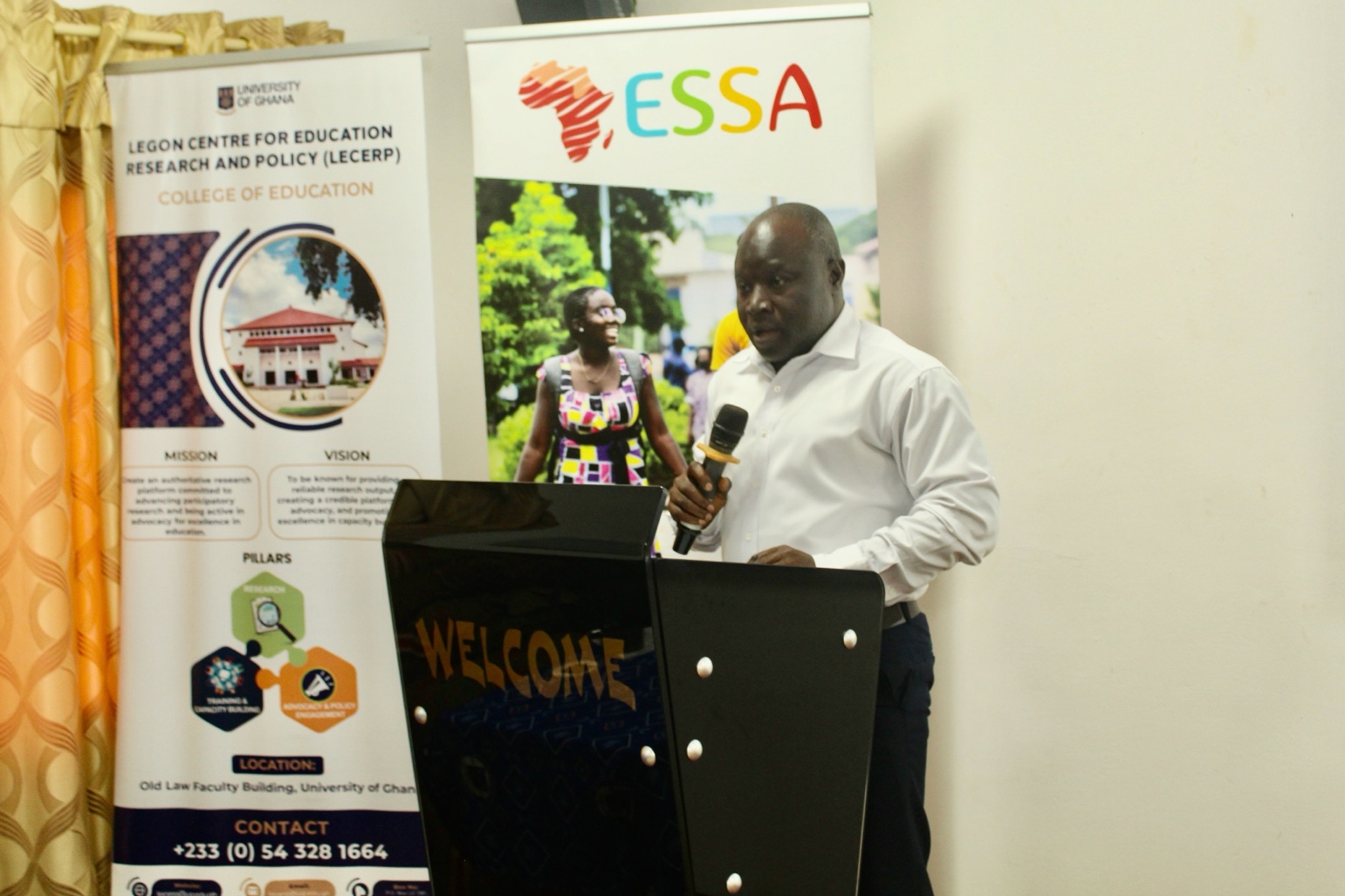
Welcoming participants, Dr. Clement Adamba, Director of LECERP, expressed his delight at hosting researchers from the University of Education, Winneba, Wesley College of Education and the University of Cape Coast, alongside researchers from LECERP, to share their research findings. He noted that such dissemination provides an important opportunity for evidence generated through research to move beyond academic engagement and stimulate meaningful conversations among researchers, policymakers, school leaders, teacher educators and practitioners working to improve foundational learning outcomes in Ghana and beyond.
Dr. Adamba highlighted the relevance of the studies to some of the fundamental challenges affecting foundational learning, stressing that improving foundational learning requires attention not only to the curriculum but also to the conditions under which teaching and learning take place.
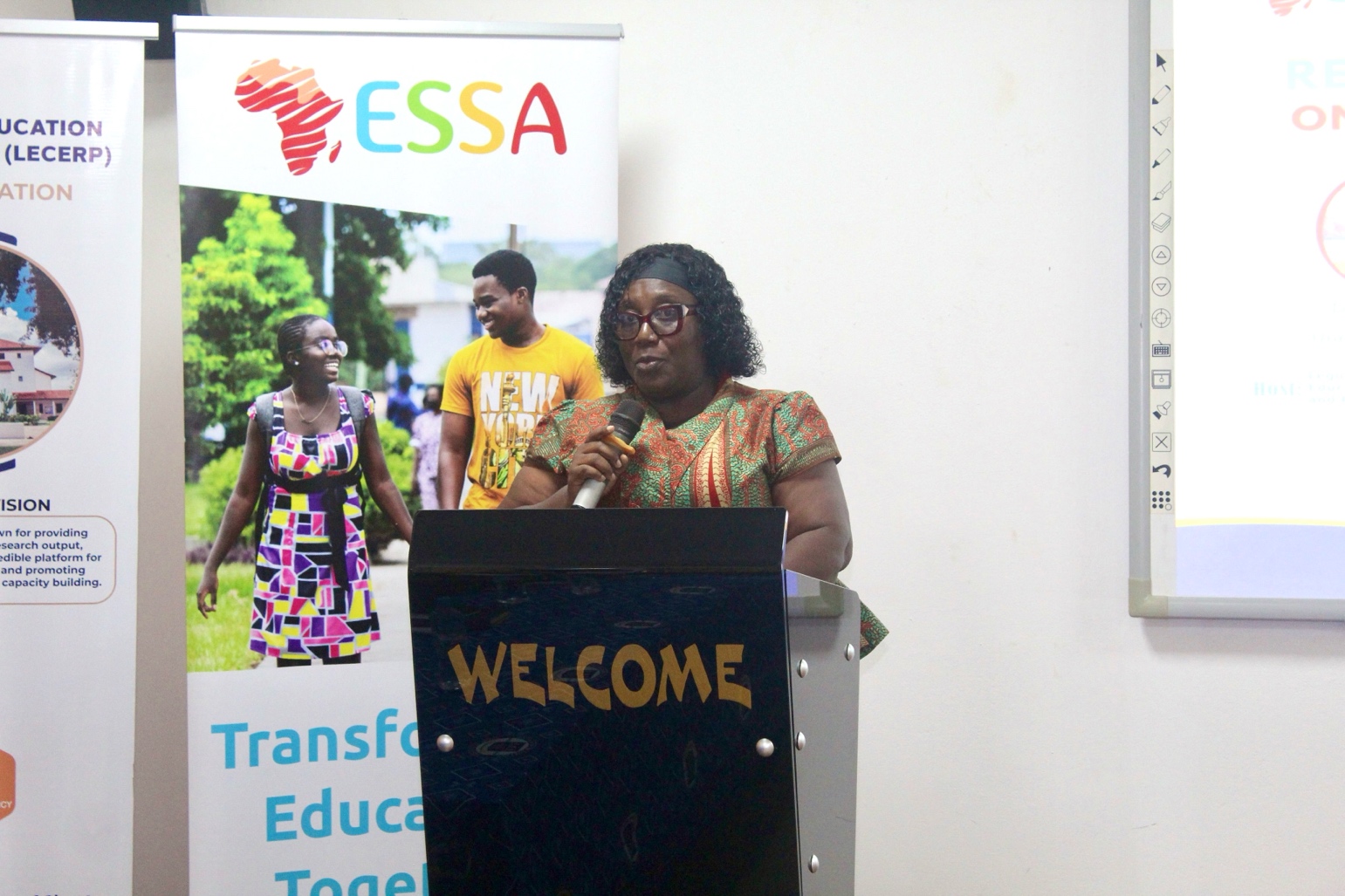
Madam Priscilla Andzie-Walter delivering the Chairperson’s remarks.
Representing the Director of Schools and Instructions Division (Pre-Secondary) at the Ghana Education Service, the Chairperson, Madam Priscilla Andzie-Walter said the event provided an important opportunity to listen to research findings, reflect on their implications and consider how evidence could inform policy, practice and decision-making to improve foundational learning outcomes in Ghana.
She encouraged participants to focus not only on what the research had found but also on what could be learnt from the findings, how the evidence related to the Ghanaian context and how it could be translated into practical actions in schools and communities. She expressed the hope that the forum would generate rich and constructive discussions among researchers, policymakers and practitioners.
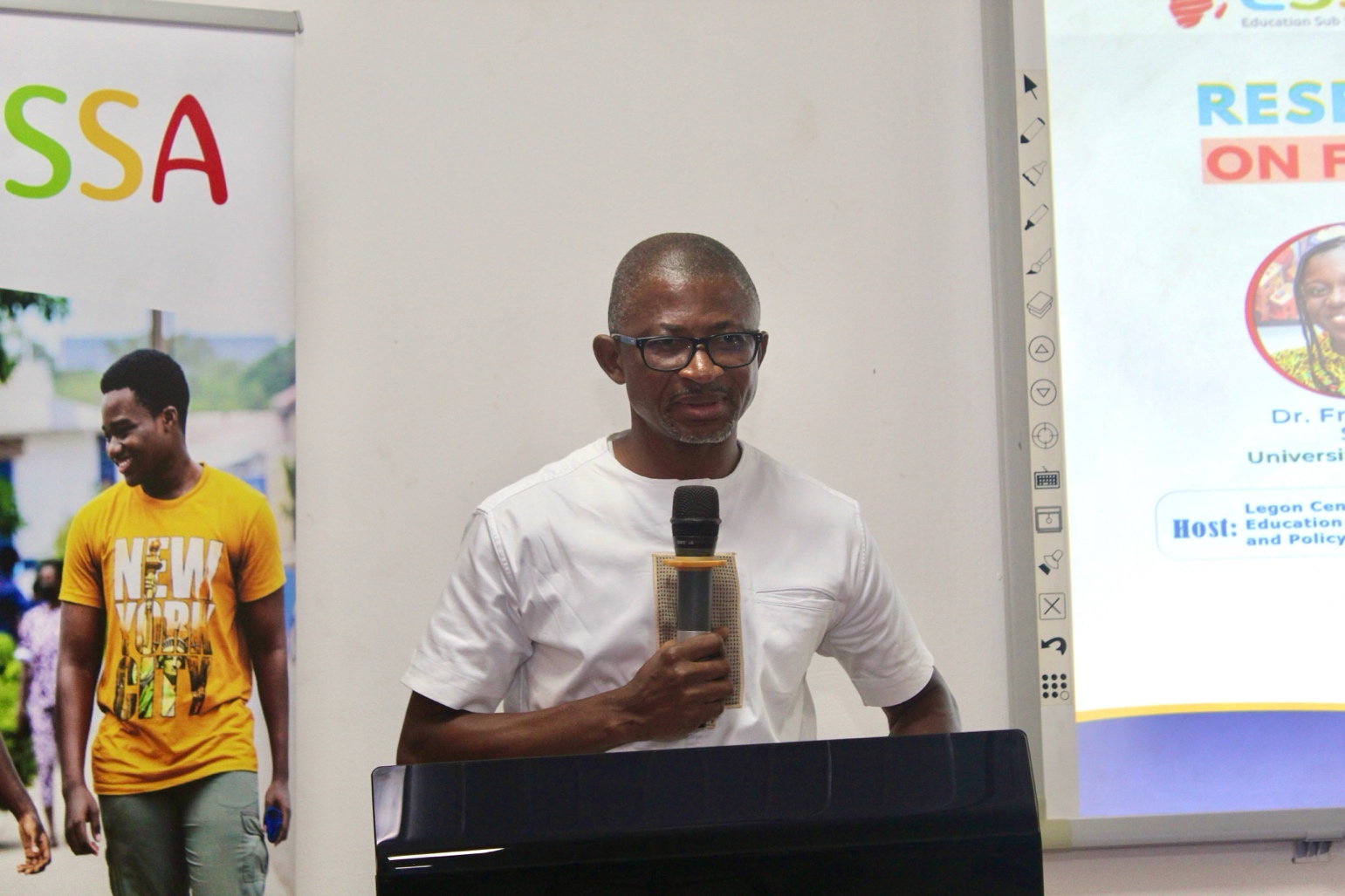
Dr. Richard Amoah delivering remarks from Education Sub-Saharan Africa.
In his remarks, the representative of ESSA, Dr. Richard Amoah, emphasised the importance of research and evidence uptake in addressing foundational learning challenges. He explained that ESSA focuses on improving the quality of education through evidence and data, using an inclusive systems approach that brings together governments, research institutions, researchers and other education stakeholders.
Dr. Amoah explained that the research initiative emerged from a 2025 ESSA stakeholder convening, which identified persistent challenges in translating research evidence into policy and practice. He noted that, with support from partners including the Gates Foundation, REAL Centre and GPE KIX, researchers in countries including Ghana, Kenya, Senegal and Zambia received funding and technical support to undertake research on foundational learning.
He said the dissemination forum was an important opportunity to listen to the researchers who benefited from the initiative and to consider how their findings could contribute to addressing foundational learning challenges in the world. He also called for greater investment in domestic research funding, including through Ghana’s National Research Fund, to enable researchers and institutions to investigate critical areas of national education need.
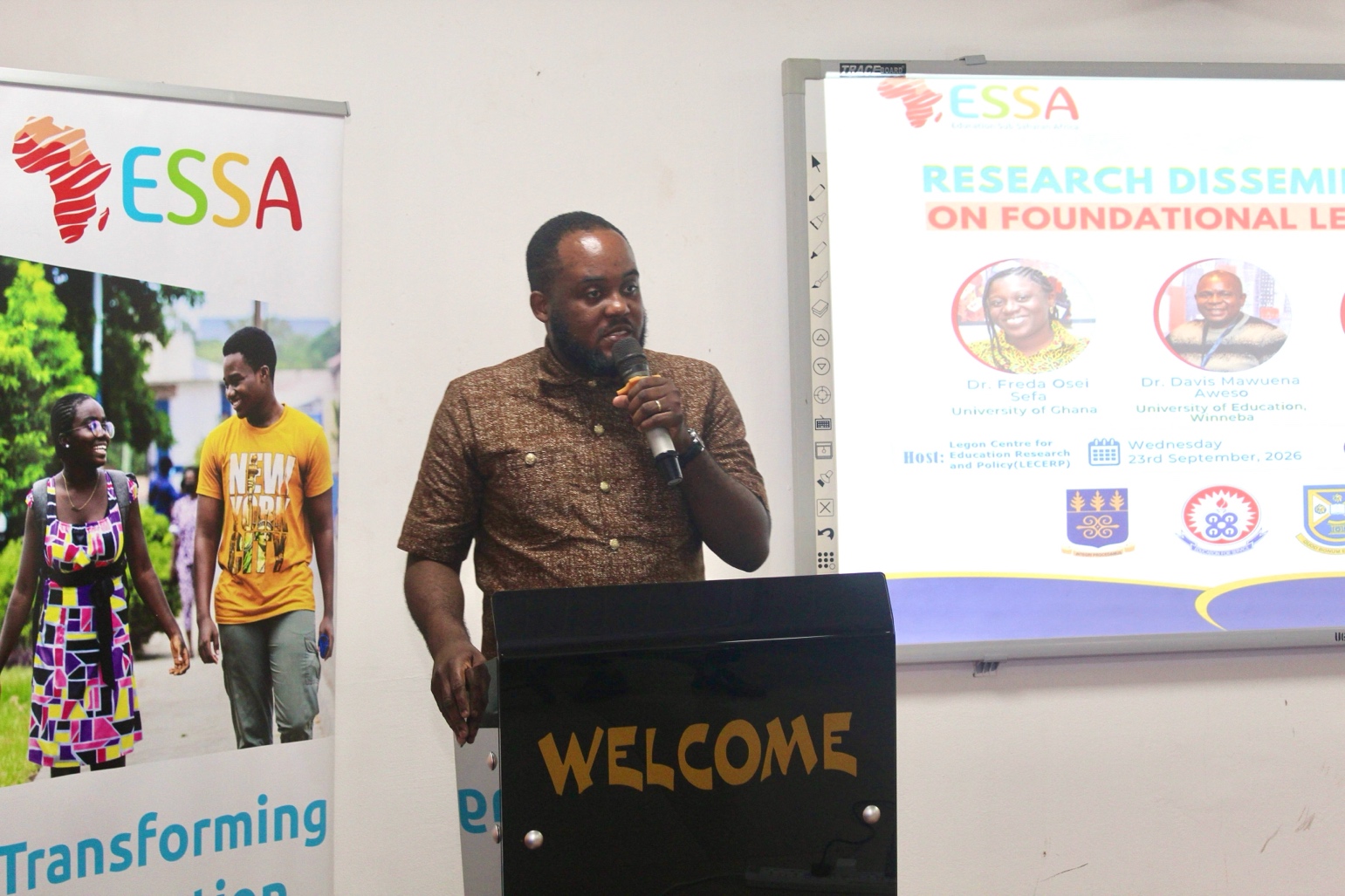
Mr. Isaac Asamoah Boadi delivering remarks on behalf of the Ministry of Education.
Mr. Isaac Asamoah Boadi, Senior Research Officer at the Ministry of Education who represented the Director of Statistics, Research and Information Management, noted that despite years of investment in curriculum reform, teacher training and school improvement, Ghana continues to face persistent gaps in literacy and numeracy.
The representative explained that the Ministry is working to strengthen a culture of evidence-informed decision-making through the Ghana Education Evidence and Data Lab (GEEDLab) with the aim of ensuring that research generated in Ghana does not remain on university shelves but reaches stakeholders and informs policy and practice.
The representative said the situation makes it important for stakeholders to continually ask what the evidence reveals about these challenges and what can be done differently.
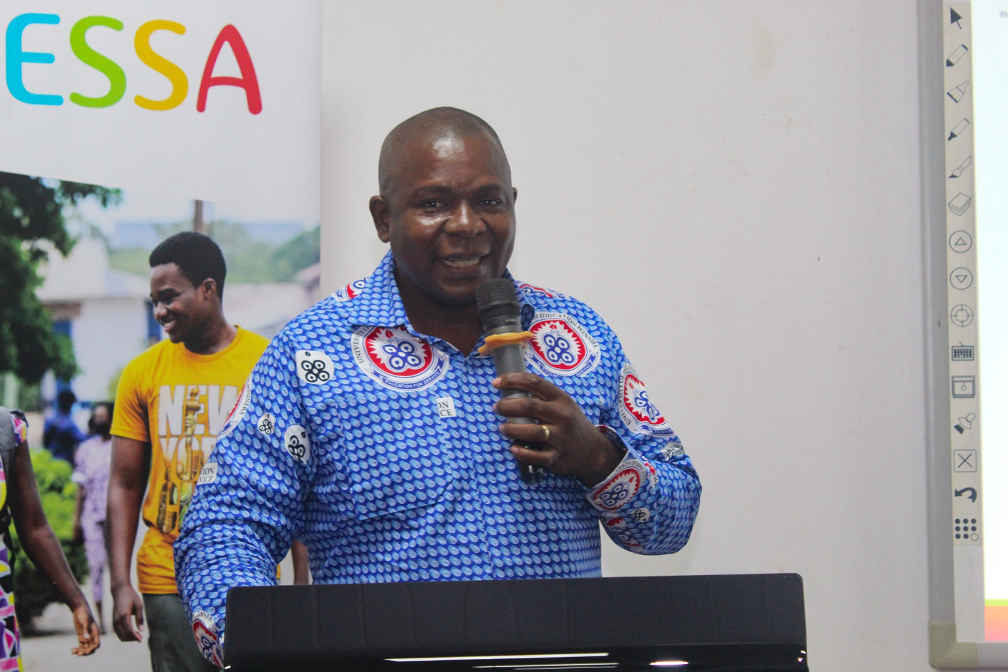
Dr. Davis Mawuena Aweso presenting on the project.
The forum featured a presentation by Dr. Davis Mawuena Aweso and his collaborators from the University of Education, Winneba, on the project titled “From Home to School: Assessing the Alignment between Community Language Practices and Standards-Based Curriculum Implementation for Early Grade Learners in Multilingual Ghana.” The qualitative multiple-case study, conducted across three early-grade centres, examined how children’s home and community language practices interact with classroom instruction in multilingual settings.
The study revealed that children’s readiness to engage with classroom instruction was influenced more by the dominant language used within their communities than by the officially designated language prescribed under education policy. It also found that teachers’ language choices varied depending on their preparation and the classroom context.
While parents generally expressed a strong preference for English, largely because of its perceived importance for academic success, the study highlighted the complexities involved in defining and implementing the concept of a “local language” in linguistically diverse communities.
The researchers recommended language-responsive teacher deployment, strengthened curriculum guidance that recognises existing multilingual practices such as translanguaging and peer language brokering, and a more context-specific approach to defining “local language” that reflects the linguistic realities of individual communities.
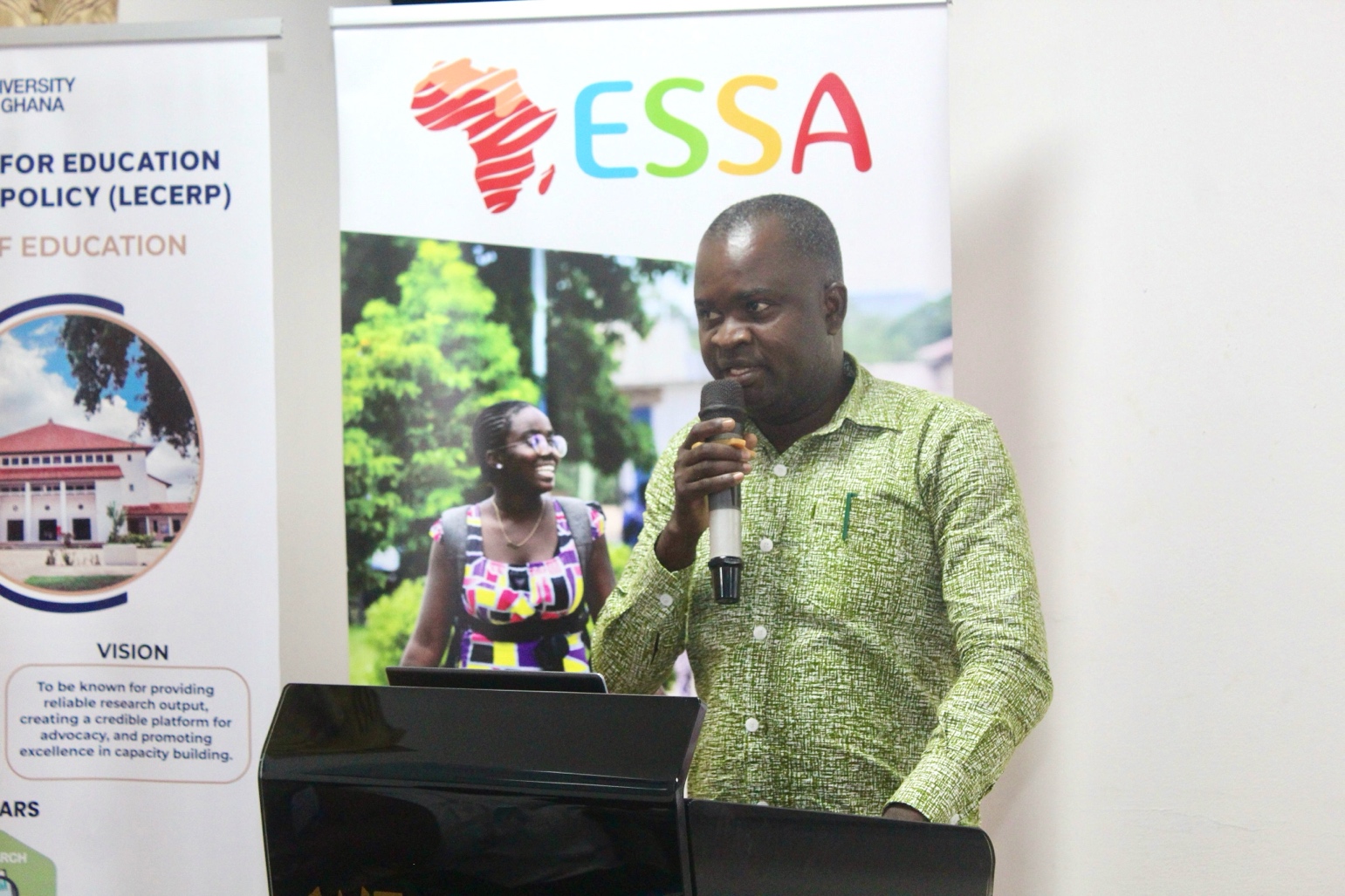
Dr. Roger Abogzuah Ayinselya outlining key findings from the study.
Dr. Roger Abogzuah Ayinselya and his collaborators from the University of Cape Coast presented on the project titled “Home-School Language Alignment, Multilingualism and Reading Skills among Primary 3 Children in Ghana.” The study involved approximately 400 pupils and 20 teachers from rural and urban schools and explored how language experiences at home and school relate to children’s reading performance in English and local languages.
Home–school language alignment and household multilingualism showed no significant associations with reading in either language, regardless of municipality. Teacher–child language alignment was also unrelated to reading outcomes. Teachers attributed children’s low reading performance to several factors, including English/local-language material shortages; insufficient trained local language teachers; and pupils' reluctance to seek help from teachers and younger classmates.
The study therefore called for interventions that go beyond language policy to address teacher preparation, home literacy support and school-level conditions that influence early literacy development.
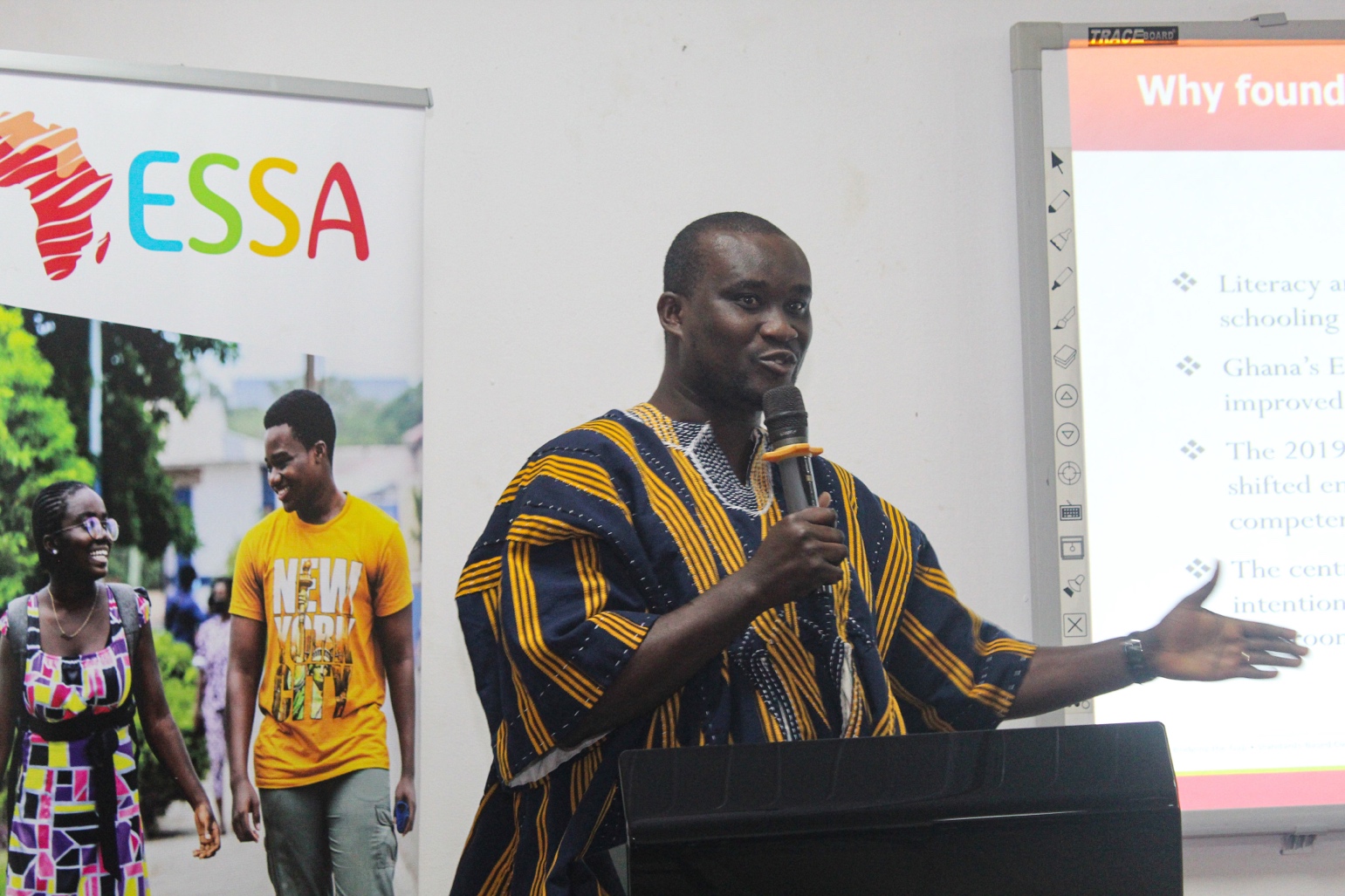
Dr. Eric Atta Quainoo sharing findings from the research project.
The forum also featured research on the project titled “Bridging the Gap: Evaluating Curriculum Design and Implementation for Strengthening Foundational Learning Outcomes in Ghana’s Basic Education System,” presented by Dr. Eric Atta Quainoo of Wesley College of Education, Kumasi, with his research team.
The study examined the extent to which Ghana’s Standards-Based Curriculum supports foundational literacy and numeracy and how the curriculum is being implemented in basic schools. Using a convergent parallel mixed-methods approach, the researchers engaged 20 public basic schools, 40 teachers and 400 pupils from Primary 1 to Primary 3 in the Ashanti and Northern Regions.
The findings showed that numeracy performance was stronger than literacy performance, while significant disparities were observed between urban and rural pupils. Pupils in the urban areas recorded higher performance than their rural counterparts in both numeracy and literacy.
The study also found that teachers had made meaningful pedagogical shifts in implementing the Standards-Based Curriculum. However, challenges including inadequate teaching and learning resources, large class sizes and assessment demands constrained effective implementation.
The researchers noted that while curriculum reform is necessary for improving learning outcomes, curriculum quality alone is insufficient. The conditions in which the curriculum is implemented are equally important to ensuring that learners acquire foundational literacy and numeracy skills.
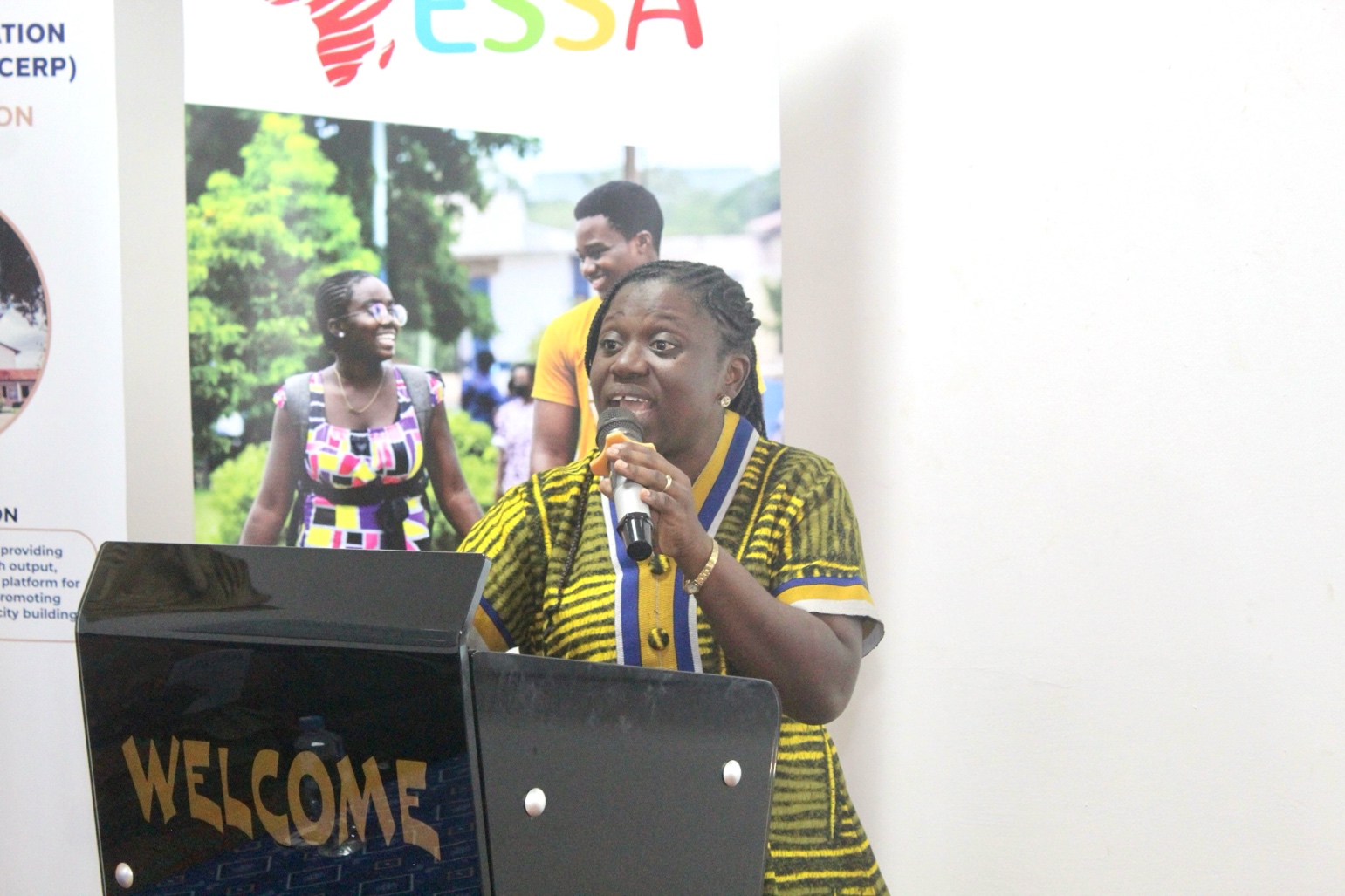
Dr. Freda Osei-Sefa presenting key findings from the study.
The forum also featured a presentation by Dr. Freda Osei-Sefa and collaborators of LECERP, University of Ghana, on the project titled “From Labels to Learning: How Teachers Navigate Dyslexia and Inclusion in Ghanaian Classrooms.”
The mixed-methods study, which involved 400 teachers and 26 interviews across the Northern and Greater Accra regions, examined teachers’ knowledge of dyslexia, approaches to identifying learners who may experience the condition, attitudes towards inclusion and the support available to affected learners.
The findings revealed that although many teachers were familiar with dyslexia, levels of understanding varied, with some misconceptions about the condition. The study also found generally positive attitudes towards inclusion, although some teachers expressed frustration or uncertainty about dyslexia and its identification. The researchers identified limited access to continuous professional development, shortages of Special Educational Needs Coordinators and the absence of clear identification and referral pathways as key challenges affecting support for learners with dyslexia.
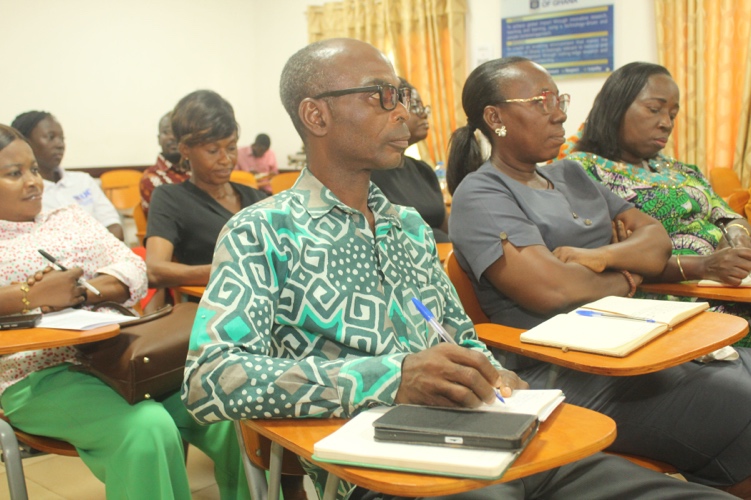
A cross-section of participants at the forum
The research presentations and discussions underscored the interconnected nature of the challenges affecting foundational learning in Ghana. Across the studies, attention was drawn to the importance of teacher preparation, language-responsive instruction, inclusive education, instructional materials, home literacy support, school conditions and effective curriculum implementation.
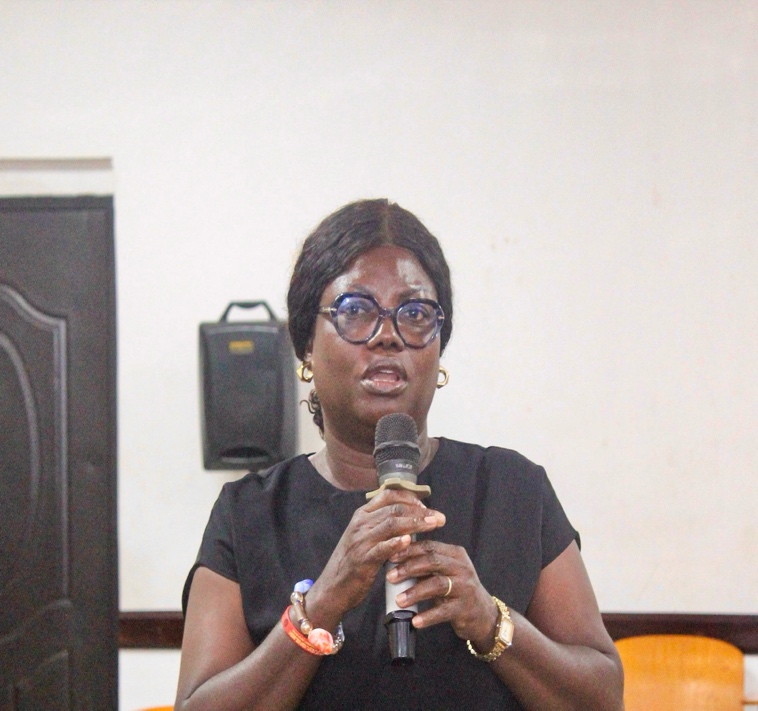
Some participants contributing to the discussions.
An open forum for questions, answers and contributions followed the presentations, providing participants with an opportunity to engage directly with the researchers, share their experiences and reflect on how the findings related to their respective institutions and areas of work. Participants also explored how the evidence and insights presented could be applied within their respective units and programmes going forward, particularly in strengthening teaching, research, policy and practice.
The discussions further highlighted the importance of strengthening the relationship between research, policy and practice to ensure that evidence generated by researchers contributes to practical improvements in Ghanaian classrooms. The forum reinforced the need for continued collaboration among universities, government institutions, development partners, researchers, schools and communities to translate evidence into meaningful action.