
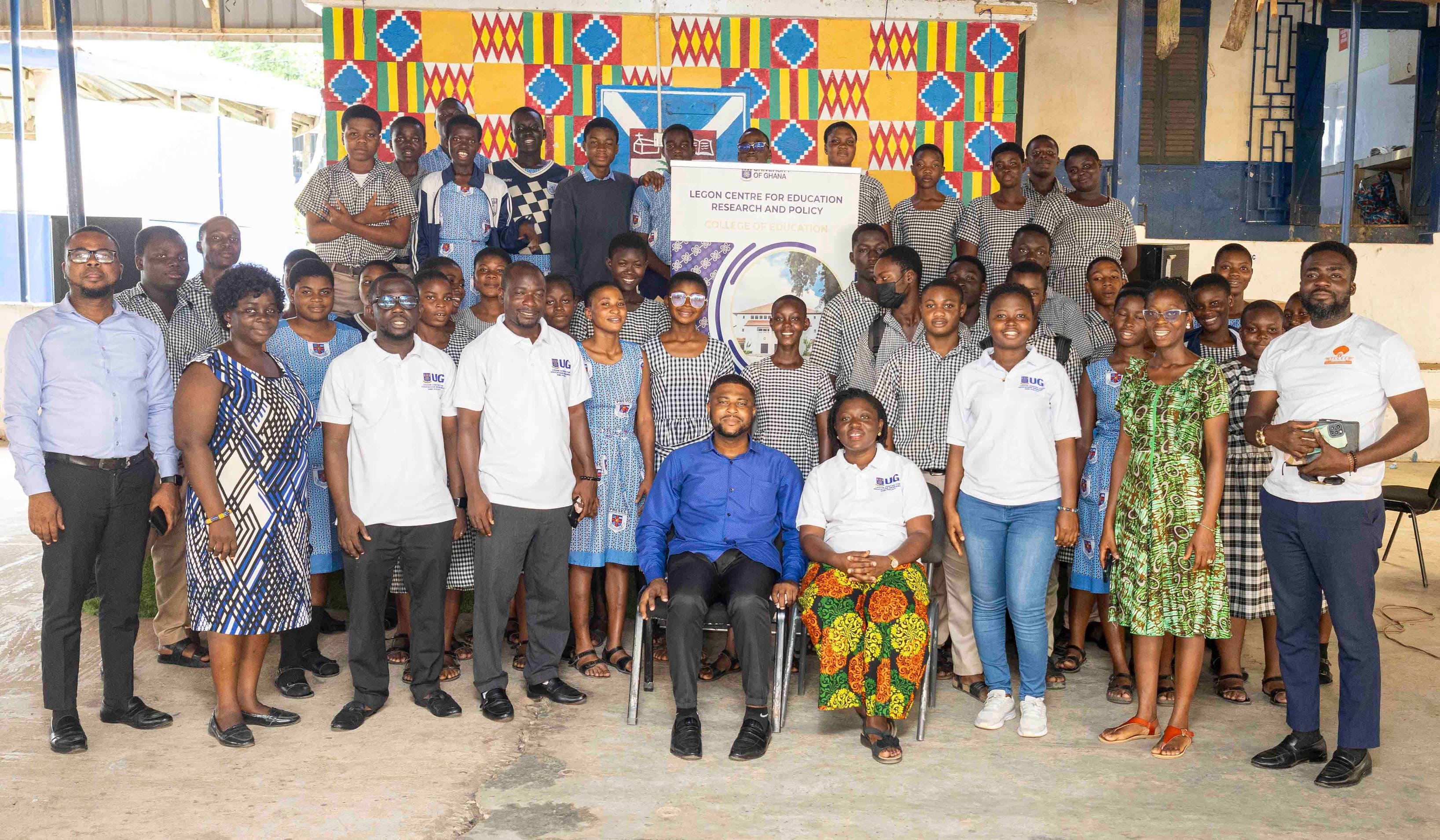
A group photograph of the team from LECERP and TUCEE Institute with officials and students of Presec Mampong.
The Legon Centre for Education Research and Policy (LECERP), University of Ghana, in collaboration with the TUCEE Institute of Counselling and Technology, marked the International Day against Violence and Bullying, including Cyberbullying, under the theme “The Scars You Don’t See: The Lasting Impact of Violence and Bullying” at the Presbyterian Senior High School, Mampong-Akuapem.

A cross-section of participants
The anti-bullying sensitization programme, held on 6th November, 2025 brought together students, educators, and facilitators to raise awareness of the long-term emotional and psychological effects of bullying and to encourage a culture of empathy, respect, and inclusion in schools.

Ms. Sophia Nanjo, the School Counsellor, delivering her remarks.
In her welcome remarks, the Counsellor for the school, Ms. Sophia Nanjo, expressed her excitement at having researchers from the University of Ghana to educate students of the school. She emphasised on the importance of creating safe spaces for learning where students feel seen, valued, and protected. She urged learners to speak up against bullying and to support one another in building a safe school environment.
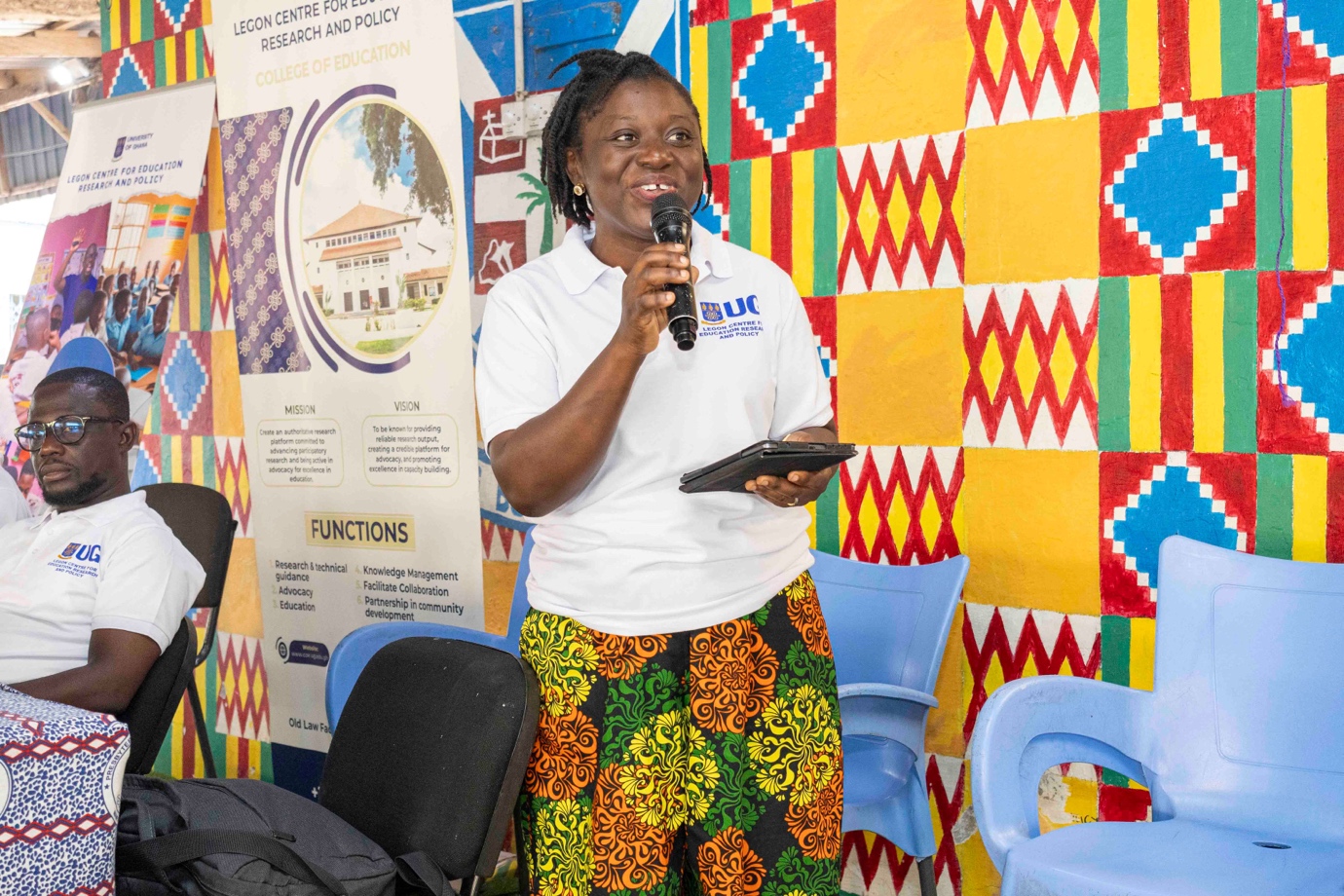
Dr. Freda Osei Sefa, delivering the message from the Director of LECERP
In a message delivered on his behalf, the Director of LECERP, Dr. Clement Adamba, expressed appreciation to the school for their support in organizing the event. He highlighted the significance of the theme, “The Scars You Don’t See: The Lasting Impact of Violence and Bullying,” noting that it underscores the invisible wounds victims carry throughout their lives. He revealed that globally, about one billion children aged 2 to 17 experience some form of violence each year which could be physical, psychological, or sexual. He highlighted the consequences of these for learning, noting that such violence and bullying can undermine students’ confidence, focus, and overall well-being.
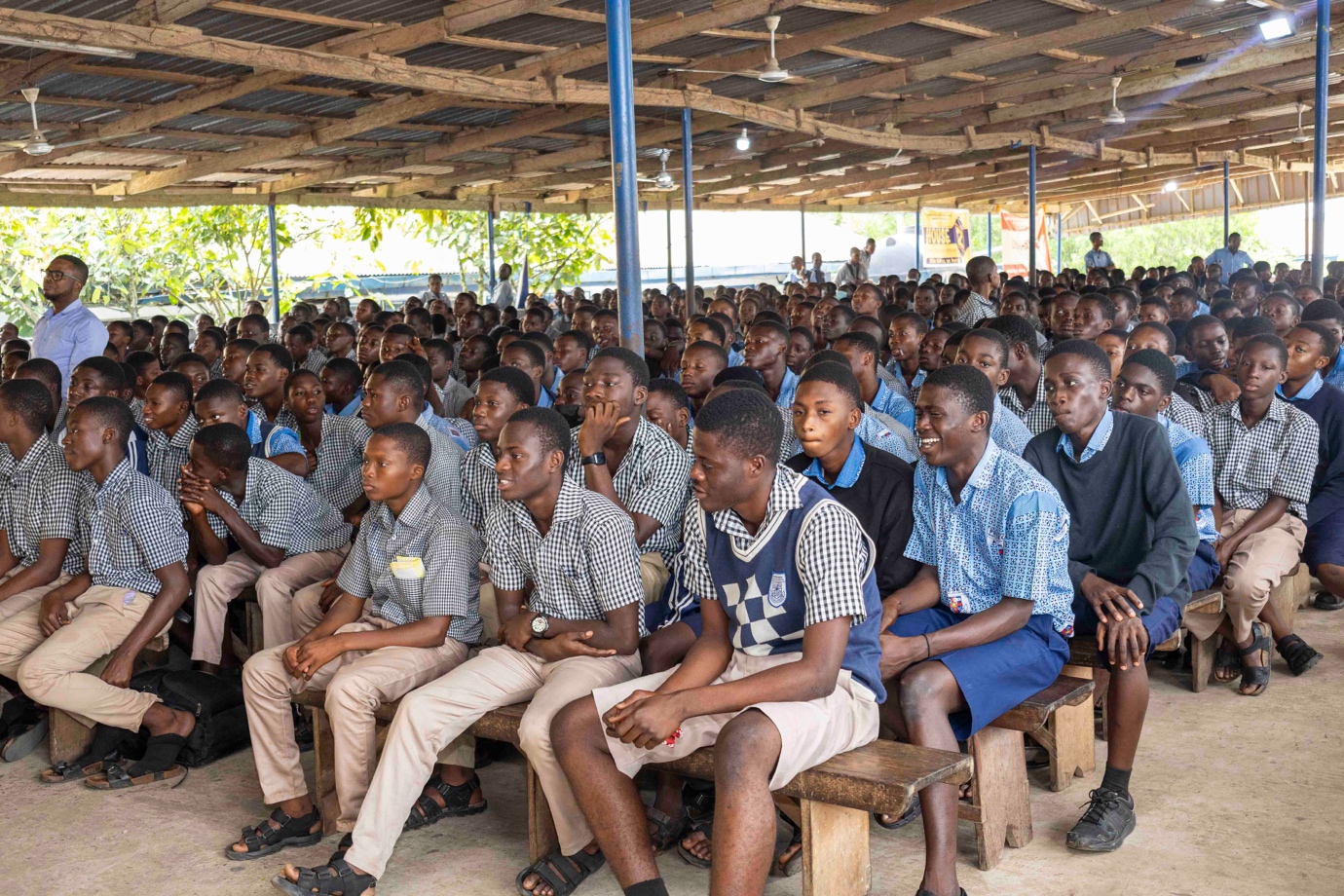
A cross-section of participants at the school.
Dr. Adamba added that teachers are not exempt from the effects of violence, as many endure verbal or physical abuse from students which may result in stress, burnout, and reduced morale. He stressed that any form of violence undermines the foundation of a healthy and productive learning environment. Encouraging responsible online behavior, he reminded students that bullying could occur virtually as well and urged learners to use the internet respectfully and ethically. “We need to build safe spaces all around us - in our schools, our homes, and our communities. Let us join hands and choose love through words that heal scars and create smiles for generations to come. May we hold on to memories that shape our lives into beauty, not those that build walls between us and others”, he added.
Additionally, he spoke on the role of the Centre in transforming research into actionable policies that make schools safer and learning more meaningful. He highlighted on the alignment of the Centre’s work with the University of Ghana’s second and fourth strategic priorities which are Impactful Research and Engagement and Partnerships.

Mr. Wisdom Kudjordji, TUCEE Institute, speaking to students.
Mr. Wisdom Kudjordji of the TUCEE Institute of Counselling and Technology delivered an engaging presentation on the theme. Through illustrative accounts and open dialogue, he demonstrated how bullying manifests in different forms—physical, verbal, social, and cyber—and discussed the lifelong emotional consequences victims often endure. He shared practical strategies for preventing and reporting incidents of violence and bullying, outlining mechanisms students can adopt to foster a safer school environment.
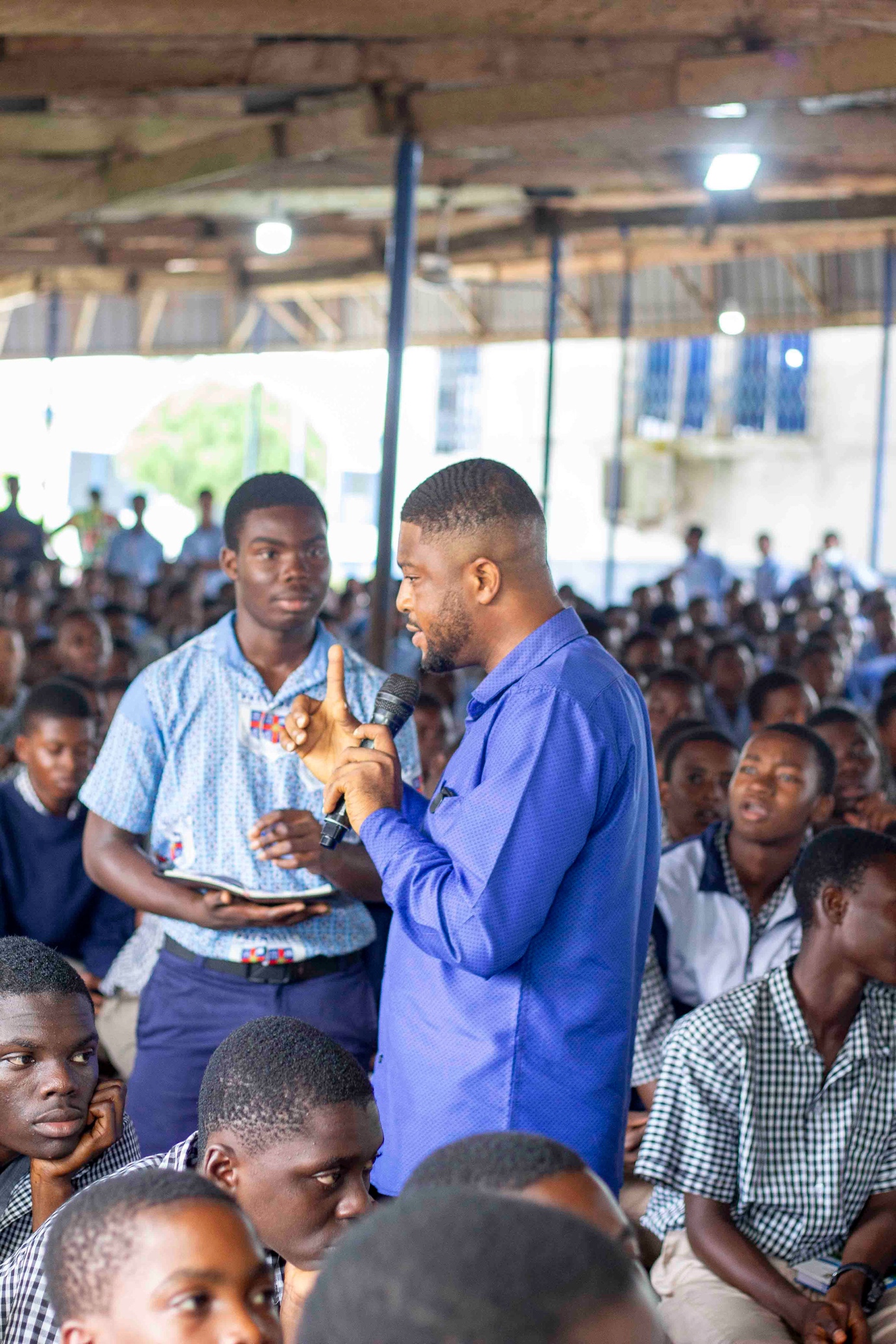
Mr. Wisdom Kudjordji illustrating a point to a student.
Mr. Kudjordji also encouraged students to seek guidance from their school counsellors, emphasizing the importance of open communication and emotional support in navigating life’s challenges. He urged learners to be empathetic, responsible digital citizens, and become upstanders who protect and support their peers.
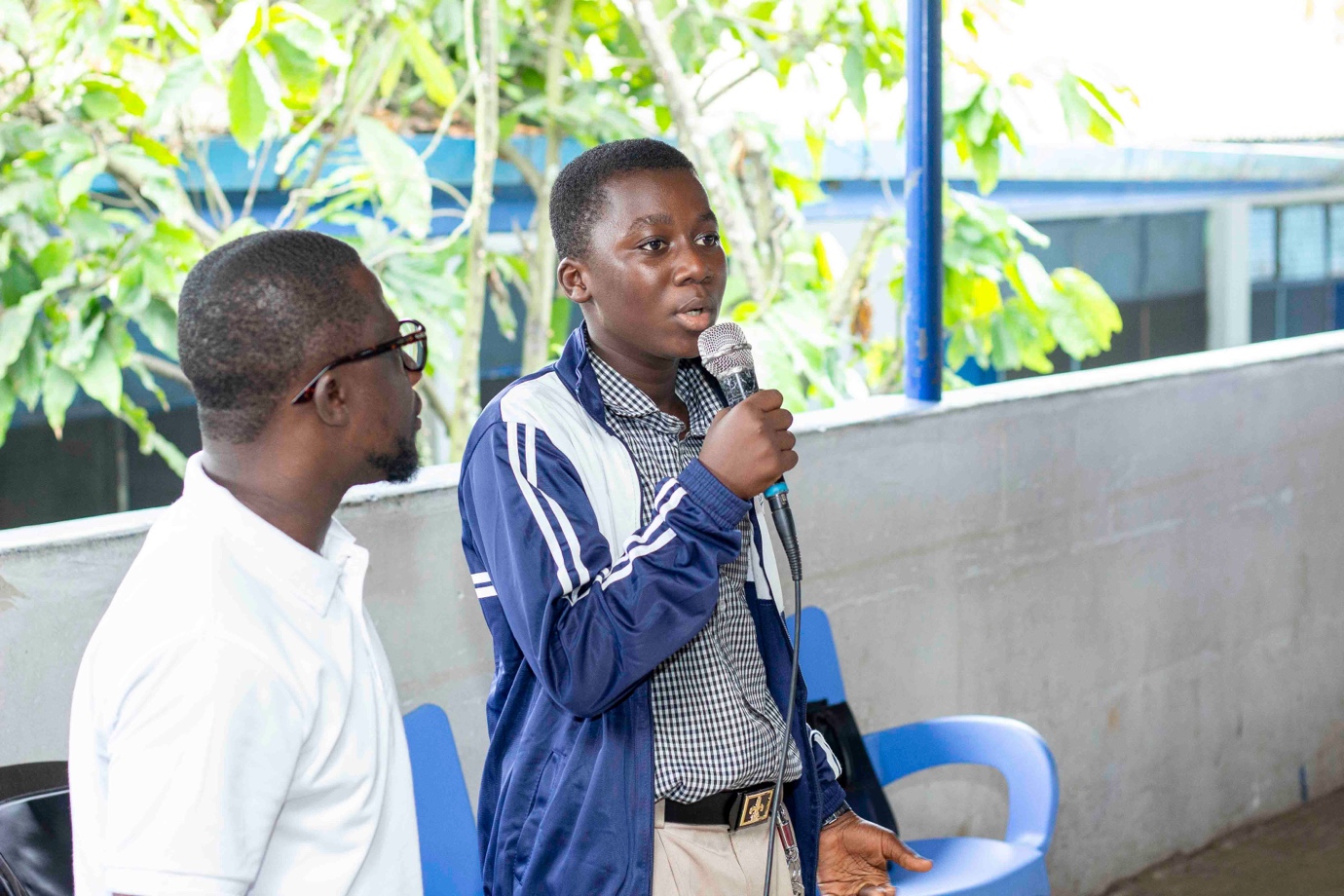
A student asking a question during the session
The presentation session was followed by a lively question-and-answer segment, during which students expressed their views, shared personal experiences, and sought advice on addressing bullying in their daily lives. Their active participation demonstrated heightened awareness and a shared commitment to promoting kindness, empathy, and respect within the school community.
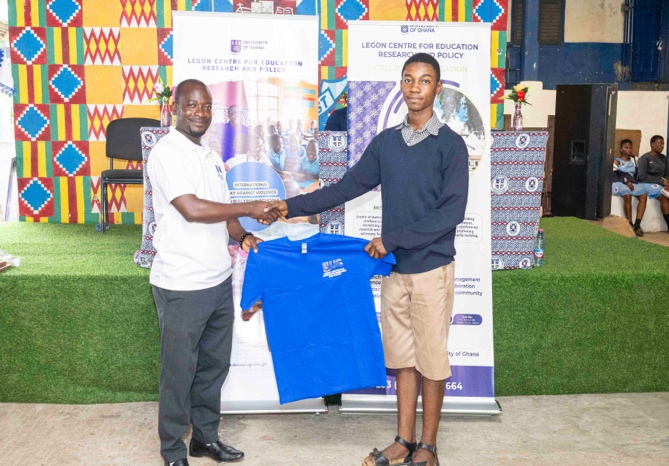

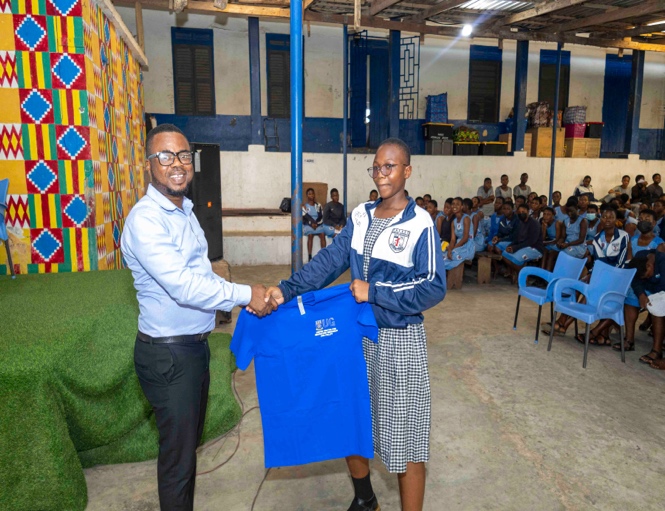
Presentation of T-shirts to students during the LECERP Directors’ Challenge Award
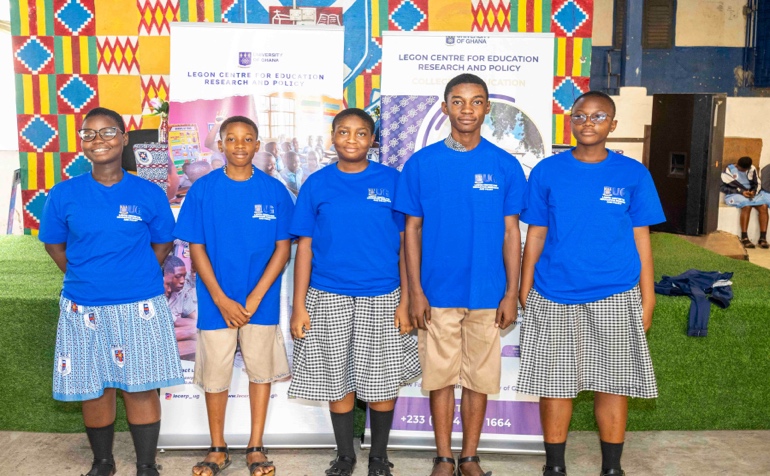
The event also featured the LECERP Directors’ Challenge Award, to recognize students who showed exceptional attentiveness and engagement throughout the programme. Five students received branded T-shirts as symbols of community awareness, and remembrance of the day’s message.
After the presentations and interactive discussions, the team conducted a brief evaluation to gauge the impact of the programme. The feedback from students showed that the anti-bullying sensitization programme made a strong and lasting impression on them. Many participants noted that the programme deepened their understanding of bullying and its long-term consequences. Several students admitted that before the engagement, they did not fully grasp how harmful certain behaviours could be, with some believing bullying was simply a normal part of school life.
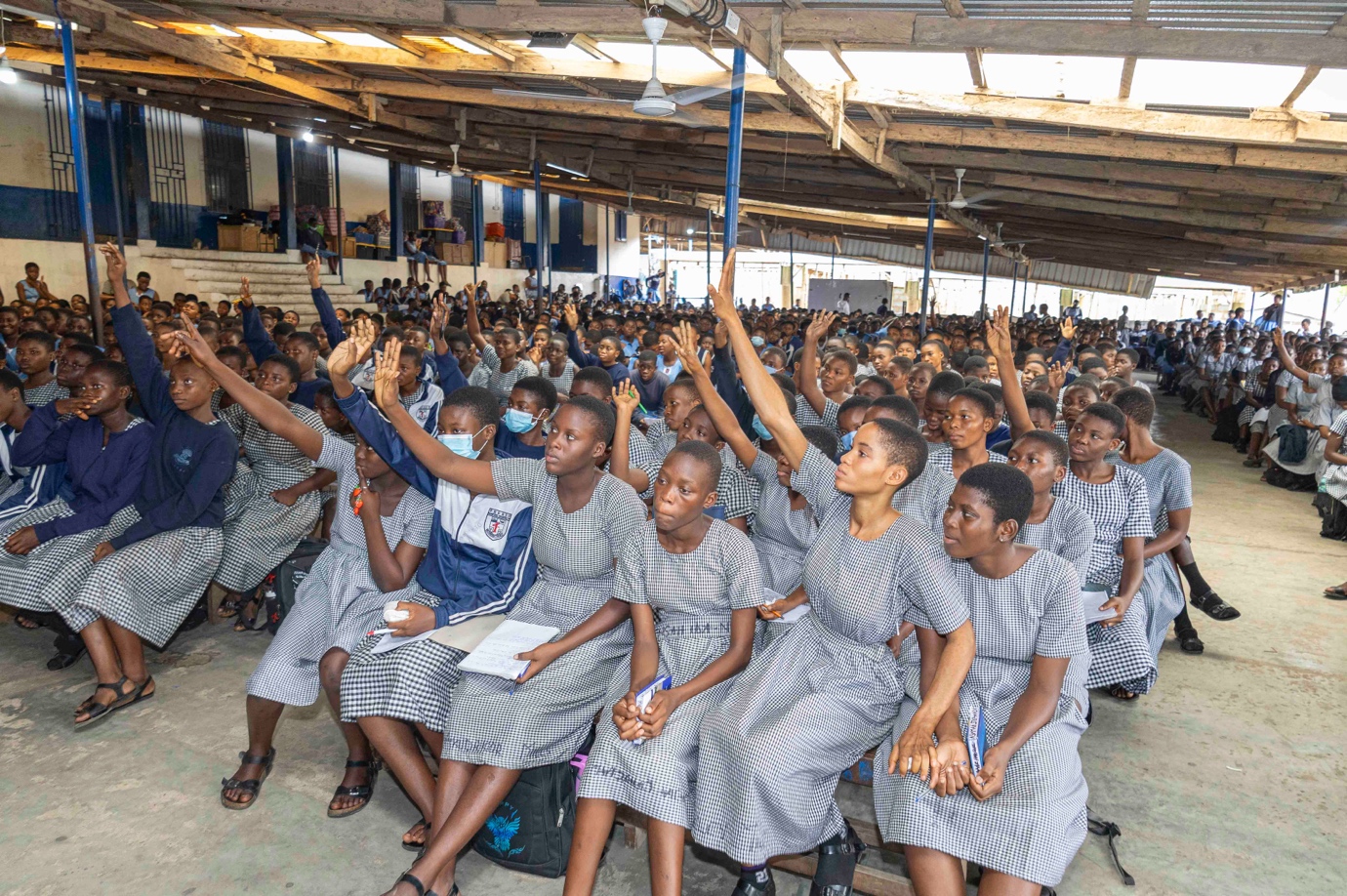
Students actively engaging in the questions and answers session.
The students reported gaining new knowledge about the emotional, physical, and psychological effects of bullying, as well as strategies for prevention, reporting, and supporting victims. One student remarked, “I got to know bullying affects you emotionally,” while another added, “I got to know that there are different forms of bullying that can lead to mental health issues.” Others indicated that the programme helped them understand the broader consequences of bullying, with a participant noting, “I was made to understand that bullying destroys people’s careers.”
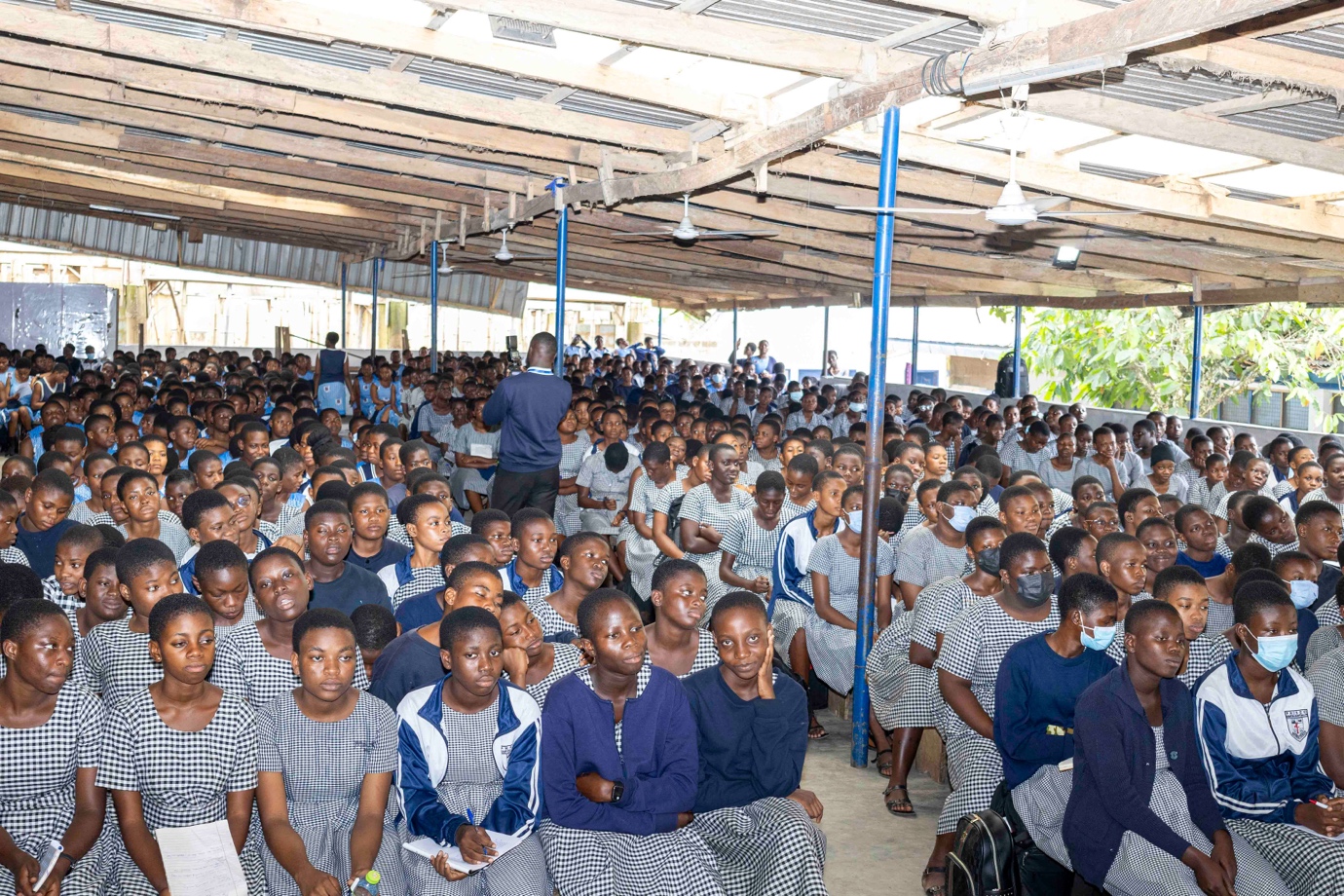
A cross-section of participants listening to proceedings.
The session also prompted self-reflection among students who had engaged in bullying behaviours in the past. Many expressed a renewed commitment to change. “I have learnt not to bully someone again,” one student shared, while another stated, “Don’t bully anyone, no matter what.”
A significant outcome was the increased confidence to speak up and report bullying. Students mentioned that they now felt empowered to seek help and intervene when necessary. “I have learnt to be bold and confident to report any form of bullying,” one student said, with another adding, “Even as a bystander, when you see someone bullying another, say it and stop it.”
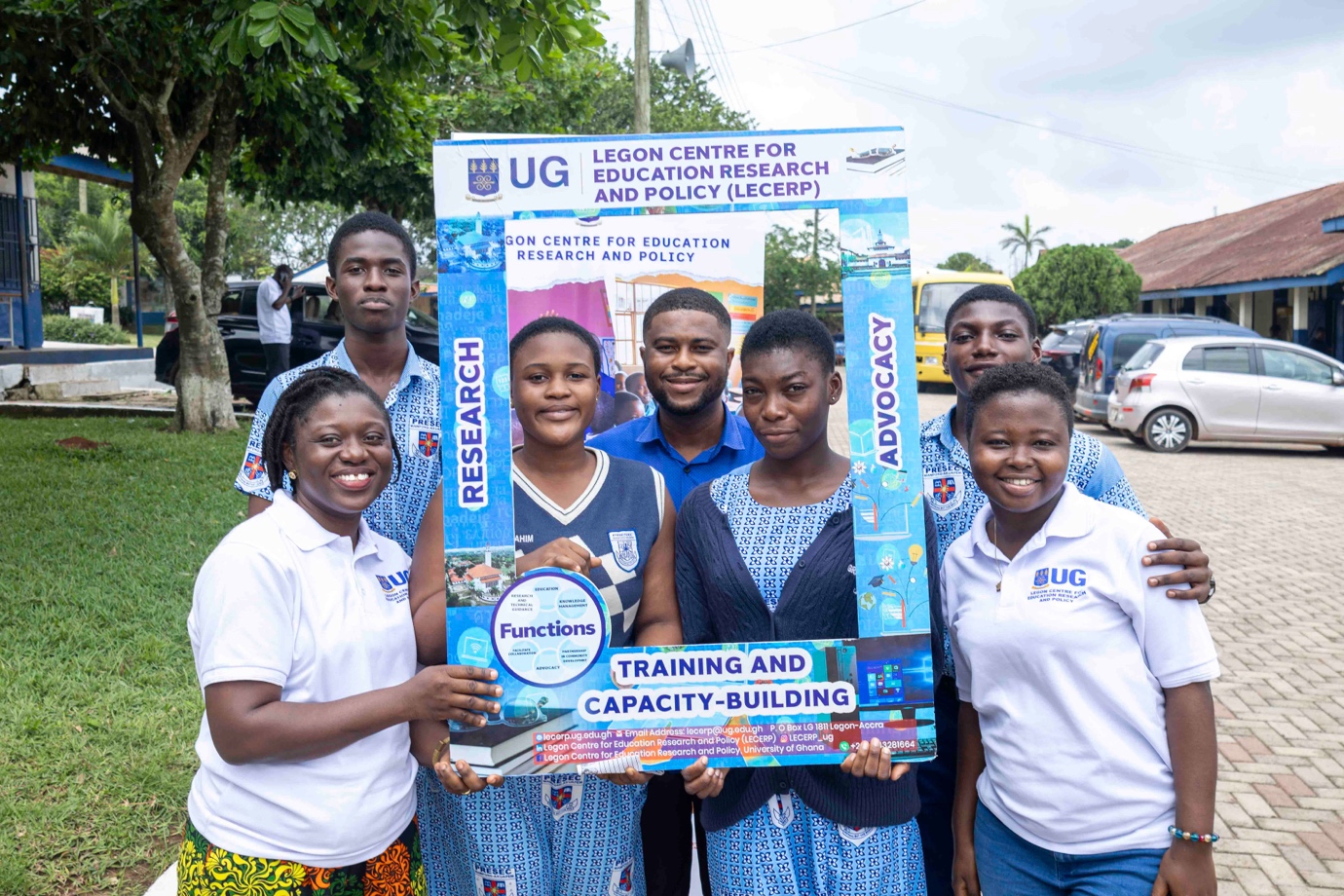
The programme also helped students recognize behaviours previously considered normal, such as caning juniors or taking their belongings, as forms of bullying. As one participant reflected, “It opened our eyes to see that things we see as normal are actually forms of bullying.”
Overall, students described the programme as highly relevant and impactful, praising the discussions on the types and effects of bullying as the most useful aspects. Many said the session provided knowledge they “won’t forget easily” and strengthened their resolve to stand against bullying in their school community.
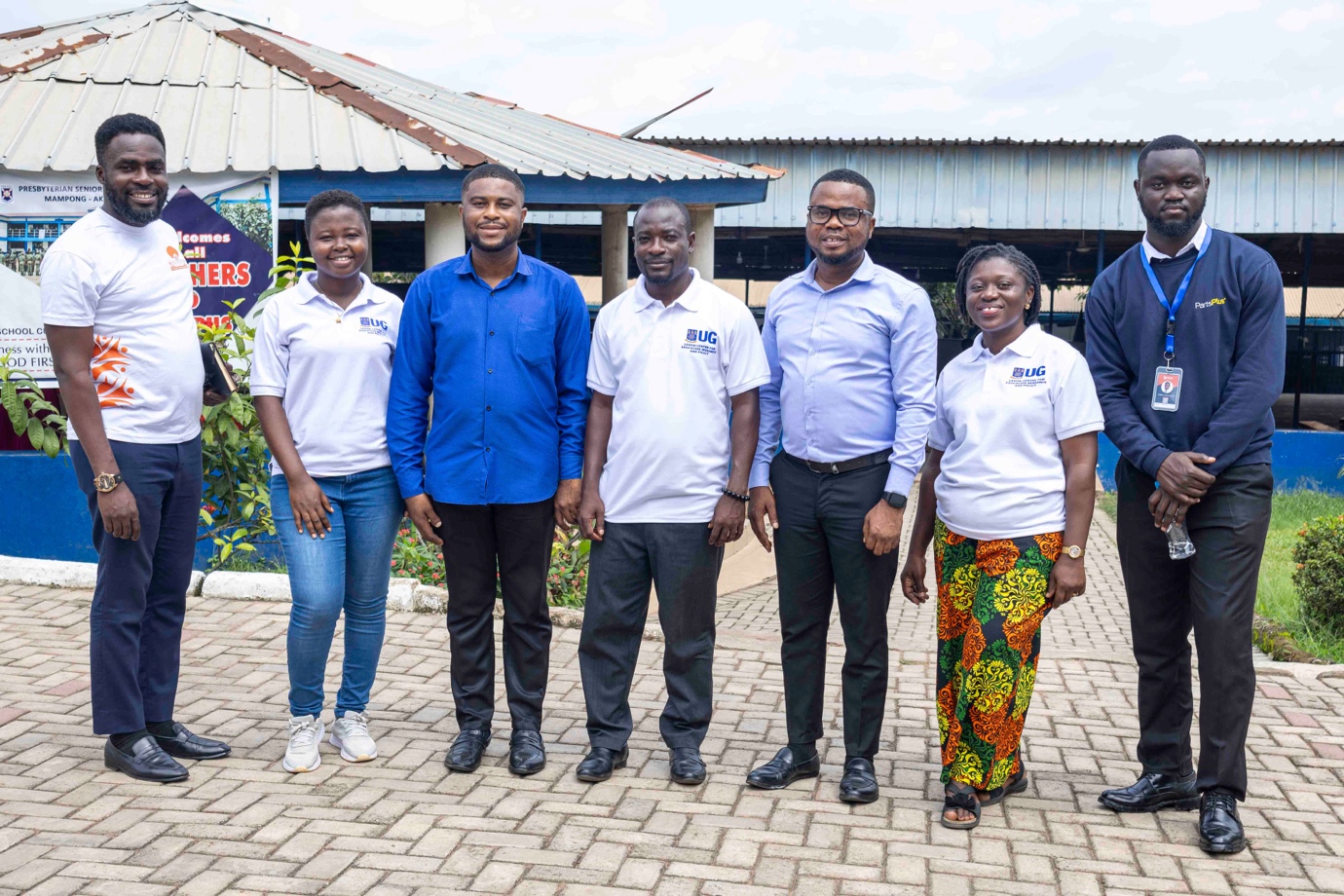
A photograph of the team members from LECERP and TUCEE Institute.
The anti-bullying sensitization programme at Presbyterian Senior High School, Mampong-Akuapem, enhanced awareness creation, reflection, and commitment among both students and educators. Through interactive presentations, discussions, and the LECERP Directors’ Challenge Award, participants gained a deeper understanding of the different forms of bullying, their long-term consequences, and practical strategies for prevention and reporting.
The programme not only empowered students to speak up and act as responsible digital citizens but also promoted a culture of empathy, respect, and inclusion within the school community. By equipping learners with the knowledge and confidence to challenge bullying, LECERP and its partners continue to advance safe and supportive learning environments, contributing to the overall well-being and holistic development of students.